
Dental Implant FAQs
Dental implants are a long-term option for replacing missing teeth. Because every patient’s needs are different, treatment recommendations and timelines vary based on factors such as bone health, the location of the missing tooth, overall health, and the final restorative plan.
Below are answers to some common questions about dental implant treatment.
What is a dental implant?
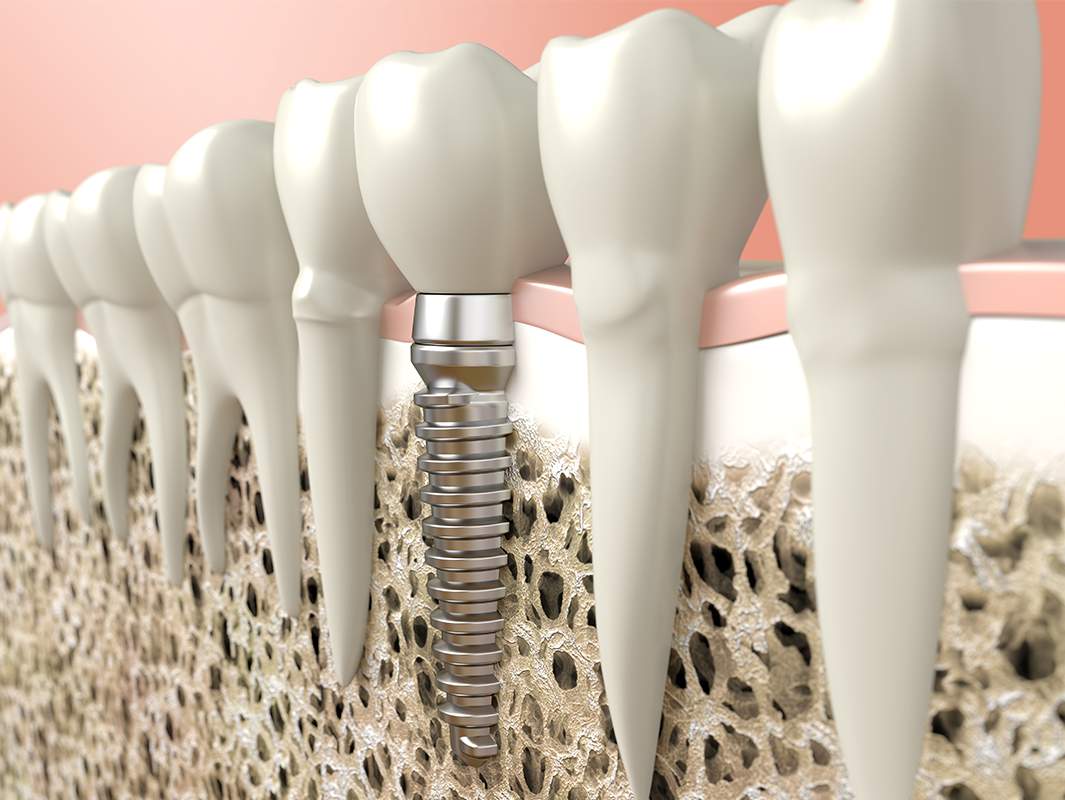
A dental implant is a small titanium post that is surgically placed into the jawbone to replace the root of a missing tooth. After the implant has integrated with the bone, your restorative dentist can use it to support a crown, bridge, or other dental restoration.
Who is a candidate for dental implants?
Many adults who are missing one or more teeth may be candidates for dental implants. Adequate bone and healthy surrounding tissues are important for successful treatment.
During your consultation, Dr. Stettler will evaluate your individual condition, medical and dental history, and available bone to determine whether dental implants are appropriate for you.
What happens during an implant consultation?
Your consultation begins with a clinical evaluation and review of your dental and medical history. When appropriate, 3D CBCT imaging and digital scanning may be used to evaluate the bone, surrounding anatomy, and proposed implant location.
This information helps Dr. Stettler develop a surgical plan based on your individual anatomy and restorative needs.
What if I do not have enough bone for an implant?
Bone loss can occur after a tooth has been missing or as a result of infection, periodontal disease, or other conditions.
Depending on your individual situation, bone grafting may be recommended to create adequate support for an implant. Dr. Stettler will discuss whether grafting is necessary and how it may affect your treatment plan and timeline.
How long does dental implant treatment take?
Treatment time varies from patient to patient. Some implants can be placed at the time a tooth is removed, while other situations require healing or bone grafting before implant placement.
After an implant is placed, time is generally needed for the implant to integrate with the surrounding bone before the final restoration is completed.
Dr. Stettler will explain the expected sequence and timing based on your individual treatment plan.
Is dental implant surgery painful?
Patient comfort is an important part of surgical care. Local anesthesia is used for implant surgery, and sedation options may be available depending on the procedure and the patient’s needs.
Some swelling, soreness, or discomfort can be expected after surgery. You will receive postoperative instructions to help you manage your recovery.
What is guided implant surgery?
Guided implant surgery uses digital imaging and treatment planning to help determine the planned position and angulation of an implant before surgery.
When appropriate, information from 3D CBCT imaging and digital scans can be combined to create a customized surgical guide. This digital workflow can help support precise implant placement based on the patient’s anatomy and restorative treatment plan.
Will my dentist be involved in my implant treatment?
Yes. Implant treatment is often a collaborative process between the oral surgeon and the dentist who will restore the implant.
Our office can share relevant digital workups and treatment information with your restorative dentist when appropriate, helping coordinate the surgical and restorative phases of your care.
Can dental implants replace more than one tooth?
Yes. Dental implants may be used to replace a single missing tooth, several teeth, or support a full-arch restoration. The number and location of implants needed depend on your anatomy, remaining teeth, bone condition, and restorative treatment plan.
How do I care for dental implants?
Good oral hygiene and regular professional dental care are important for the long-term health of dental implants.
Your dentist will provide recommendations for cleaning and maintaining your implant restoration. Regular examinations also help monitor the health of the implant and surrounding tissues.
How long do dental implants last?
Dental implants are designed to provide long-term tooth replacement, but no implant can be guaranteed to last for a specific number of years.
Long-term success depends on many factors, including oral hygiene, bone and gum health, general health, smoking or tobacco use, bite forces, and regular professional dental care.
How do I know whether dental implants are right for me?
The best way to determine whether dental implants are appropriate for you is through an individual evaluation.
Request an appointment with Grossmont Oral Surgery Center to discuss your treatment options and develop a plan based on your specific needs.